Description
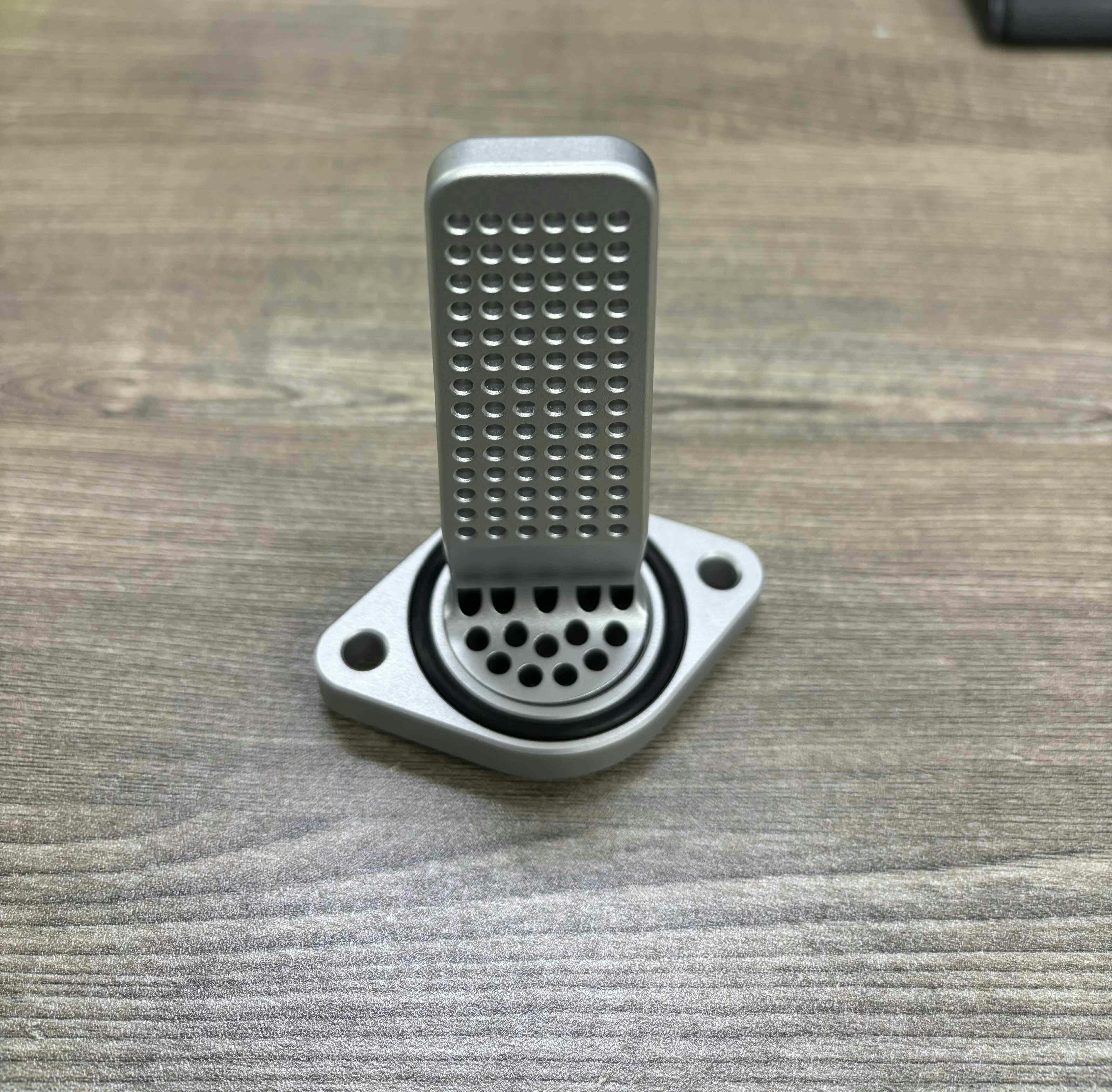
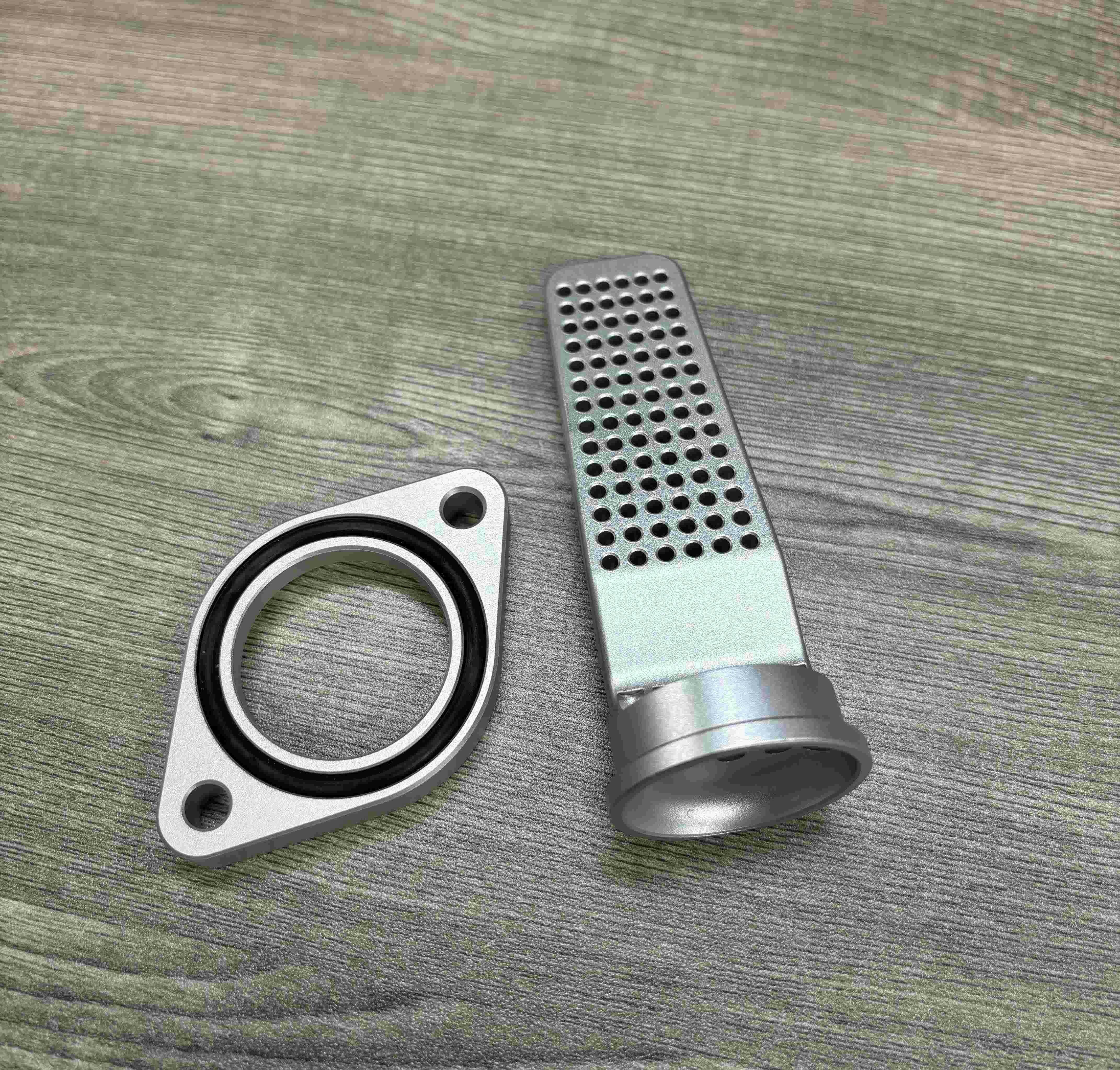
Latest waste oil treatment solution aims to optimize efficiency and prevent oil leaks, enhancing truck performance and safeguarding critical components. Gas is collected through an oil catch can to gather waste oil, then filtered through a reservoir to remove excess oil before being routed clean through the ccv filter, ensuring 100% capture of oil molecules in the vented gases. This process guarantees that expelled gases are oil-free. By preventing residual oil from reaching the turbocharger, it extends its lifespan by maintaining the balance of the compressor impeller. Additionally, it prevents oil buildup in intake and intercooler pipes, thus preserving performance.
Key Features
-
High-Quality Materials: Made from corrosion-resistant materials, the kit ensures durability and long-term performance even under extreme conditions.
-
Enhanced Engine Efficiency: By keeping the intake system clean, it enhances engine performance and prolongs the life of engine components.
-
Simple Installation: The kit comes with detailed instructions and video tutorials, making installation straightforward even for those with basic mechanical skills.
-
Eco-Friendly Design: Reduces oil vapor emissions, meeting environmental standards and protecting your engine.
-
Reduces Oil Deposits: Prevents oil and soot buildup in the intake and intercooler.
-
Maintenance-Free Design: Innovative design eliminates the need for regular maintenance.
-
Improves Fuel Economy: Cleaner intake systems can lead to more efficient engine operation and better fuel economy.
-
Sealing Solution: The CCV delete kit features a rubber-gasketed blocking plate for standard sealing. You can retain the factory spacer for better sealing performance, but it's not necessary.
Tools Needed:
- Wrench and socket set
- Screwdriver
- Scissors or blade
- Pliers
- Work gloves
CCV/PCV Reroute/Delete Step-by-Step Installation:
- Preparation:
- Ensure the vehicle is cool to avoid burns.
- Open the hood and ensure there is enough workspace.
- Gather all necessary tools and installation parts.
- Remove the Factory CCV System:
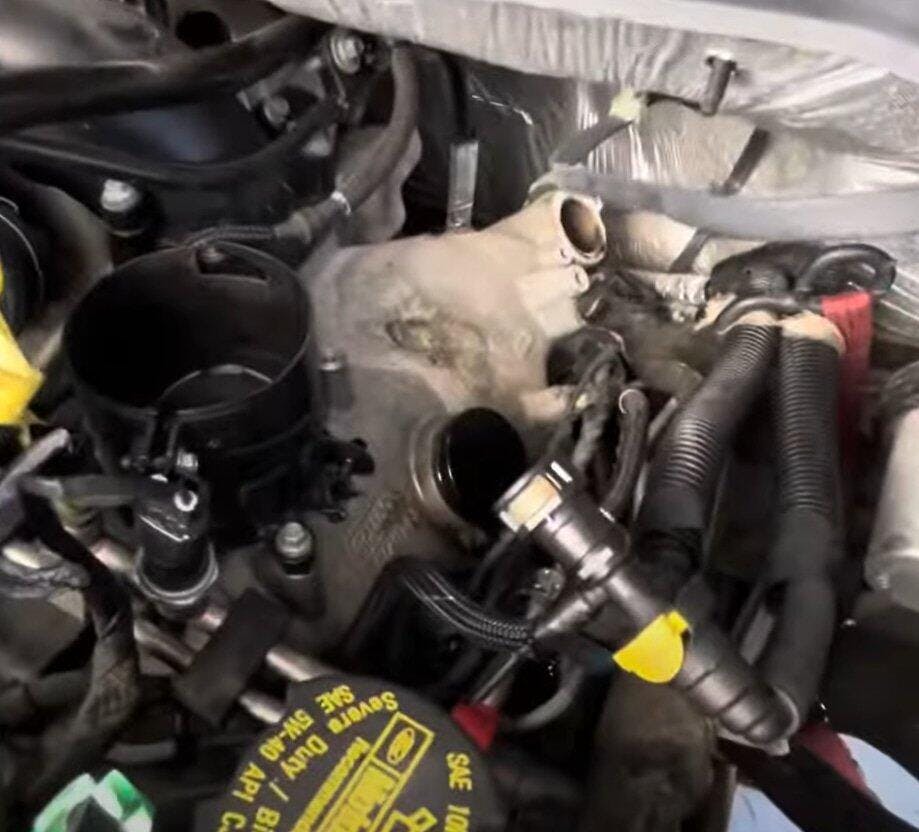
- Use the wrench and socket set to remove the bolts and clamps securing the factory CCV system.
- Carefully remove the factory CCV hoses, avoiding damage to surrounding components.
- Clean the area to remove any residual oil and debris.
- Install the CCV Internal Catch Can:
- Insert the CCV Internal Catch Can (ICC) into the space inside the valve cover, ensuring a secure fit.
- Use the provided bolts and clamps to secure the oil separator in place.
- Connect the New CCV Hoses:
- Take the ¾” 6Ft 100% silicone reinforced hose from the kit.
- Cut the hose to the required lengths, ensuring a proper fit for your vehicle.
- Connect the hose to the oil separator and the ventilation port, securing it with clamps.
- Install the Venturi System:
- Place the Venturi system components in the designated location, ensuring unobstructed airflow.
- Secure the Venturi system firmly.
- Check and Adjust:
- Inspect all connections to ensure there are no loose fittings or leaks.
- Tug gently on the hoses and components to confirm they are secure.
- Ensure all parts are correctly installed without interfering with other engine components.
- Start and Test:
- Start the engine and observe the CCV system in operation.
- Check for any abnormal noises or leaks.
- Ensure the engine runs smoothly and the oil separator functions correctly.
Fitment
- 2011-2025 Ford F-250, F-350, F-450, F-550 6.7L Powerstroke Diesel (including Cab & Chassis models)
Q1: Why should I replace or delete the Crankcase Ventilation (CCV) system?
A: Over time, the factory CCV system can cause oil buildup in the intercooler and intake pipes, restricting airflow and reducing engine performance. Installing a CCV delete kit designed for 6.7L Powerstroke engines addresses this issue at its source by rerouting crankcase exhaust gases away from the intake system.
Q2: What is a CCV reroute?
A: A CCV reroute diverts crankcase ventilation gases away from the intake system, preventing oil sludge and carbon deposits from accumulating in the intake system and intercooler.
Q3: Why should I install a CCV reroute on my truck?
A: Installing a CCV reroute reduces oil sludge buildup in the intake system, improves engine performance, extends the service life of engine components, and lowers long-term maintenance costs.
Q4: How often should the factory CCV filter be replaced?
A: The factory CCV filter typically requires replacement every 30,000 to 50,000 miles, depending on driving conditions. However, upgrading to a CCV delete kit enables a maintenance-free setup, eliminating the need for future filter replacements.
Q5: Do I need to delete the Exhaust Gas Recirculation (EGR) system before deleting or rerouting the CCV system?
A: No. These two modifications are independent of each other. You can delete the CCV system while keeping the EGR system fully functional, and vice versa.
Q6: What are the signs of a clogged or faulty CCV system?
A: The following symptoms indicate a potential clog or malfunction in the CCV system:
- Reduced engine power
- Excessive engine oil consumption
- Visible oil residue in the intake pipes or intercooler
- Oil leaks around the turbocharger or valve cover gaskets
Q7: How can I tell if my CCV filter or system needs inspection?
A: Check for the following indicators to determine if your CCV system requires servicing:
- Oil sludge or deposits in the intercooler pipes
- Decreased vehicle performance
- Oil seepage around turbocharger components
- Rapid darkening of engine oil shortly after an oil change
Any of these signs suggest that the CCV system may be underperforming and needs attention.
Q8: Can the factory CCV filter be cleaned and reused?
A: Most factory CCV filters are designed for one-time use and should not be cleaned or reused. In the long run, a permanent solution such as replacing or deleting the system with a CCV delete kit is more cost-effective.
Q9: Will a CCV system malfunction or modification affect fuel economy?
A: Yes, it will. A faulty factory CCV system allows oil vapors to re-enter the combustion system, altering the air-fuel ratio and reducing fuel efficiency. On the other hand, a CCV reroute or delete modification keeps the intake system clean and improves engine efficiency, thereby indirectly boosting fuel economy.
Q10: Will a CCV reroute or delete void my vehicle’s warranty?
A: It depends on the vehicle manufacturer’s warranty policy. We recommend consulting your vehicle manufacturer or local dealership to confirm specific warranty terms before installing any modification kit.
Q11: How often does a CCV recirculation system require maintenance?
A: The CCV recirculation system features an innovative oil circulation design that is maintenance-free, requiring no regular servicing.
Q12: Can I install a CCV reroute or delete kit by myself?
A: Yes. CCV reroute/delete kits come with detailed installation instructions, making them accessible to anyone with basic mechanical skills.
Q13: What materials are used in CCV reroute kits?
A: These kits are constructed from high-quality corrosion-resistant materials to ensure durability and long-lasting performance.
Q14: Will a CCV reroute system trigger the check engine light or diagnostic trouble codes (DTCs)?
A: No. CCV reroute systems are engineered to work seamlessly with your vehicle’s engine management system, without triggering any check engine lights or diagnostic trouble codes.
Q15: How does a CCV recirculation system reduce engine oil consumption?
A: The system effectively separates oil vapors from crankcase exhaust gases, reducing the amount of oil that recirculates back into the intake system—thus lowering overall engine oil consumption.
We are dedicated to delivering the auto parts you need to your door as efficiently as possible. As a professional supplier of diesel truck emission system accessories, DieselPerf continuously refines our shipping services to ensure reliable, timely delivery that meets your expectations for speed and security.
1. Shipping Address Guidelines
To minimize costs and ensure smooth delivery, follow these tips when providing your address:
- Accuracy: Double-check your shipping address for errors before placing an order.
- Residential vs. Business Classification: If your business operates from a residential location, it will be classified as a residential address, and delivery fees will be charged accordingly.
- Contact Information: Provide an accurate phone number. Carriers may need to reach you to verify delivery details—failure to do so could cause delays.
2. Multiple Items Shipment
We ship orders as items become available, so you may receive multiple shipments for a single order.No additional shipping fees will be chargedfor these separate shipments.
3. Shipping Partners
We collaborate with leading carriers including USPS, UPS, FedEx, DHL, and Amazon Logistics. We prioritize shipping from the nearest warehouse (U.S. or Hong Kong facilities) to your location. While most orders are delivered within5–15 business days, inventory availability varies—items shipped directly from manufacturers or requiring transfer may take longer.
4. Damaged, Missing, or Lost Shipments
For Damaged/Missing Items
If you receive damaged items, incomplete orders, or suspect issues, take these stepsimmediately:
- Clearly note the damage/missing items on the delivery receipt before signing.
- Retain your copy of the delivery receipt.
- Contact our customer service team within 2 business days (email: service@DieselPerf.com; phone: +13250131608/+85253810098).
- Keep all damaged packaging materials for inspection.
- Take photos of the damaged items and packaging to support your claim.
For Lost Shipments
In rare cases of lost shipments, we work directly with the carrier to locate your items. Carrier dock checks typically take2–7 business days. If found, delivery will proceed; if deemed lost, we will collaborate with you to find a satisfactory resolution (e.g., replacement or refund).
5. Delivery Timeframes
- Order Processing: Our warehouses aim to process and dispatch orders within 1–2 business days.
- Transit Time: Most items ship from U.S. warehouses, with common carrier delivery taking 1–10 business days (ground shipping typically 7–10 business days). Items from manufacturers or international locations may have longer transit times.
- Holiday Impact: Allow extra time for delivery during major holidays. Our warehouses observe Christmas, New Year’s Day, Memorial Day, 4th of July, Labor Day, and Thanksgiving. Carriers may have additional holiday observances.
- Force Majeure: Unforeseen events (e.g., natural disasters, global disruptions) may extend shipping times beyond standard estimates.
For further questions, contact our support team during business hours (Monday–Friday, 9:00 AM–6:00 PM).